




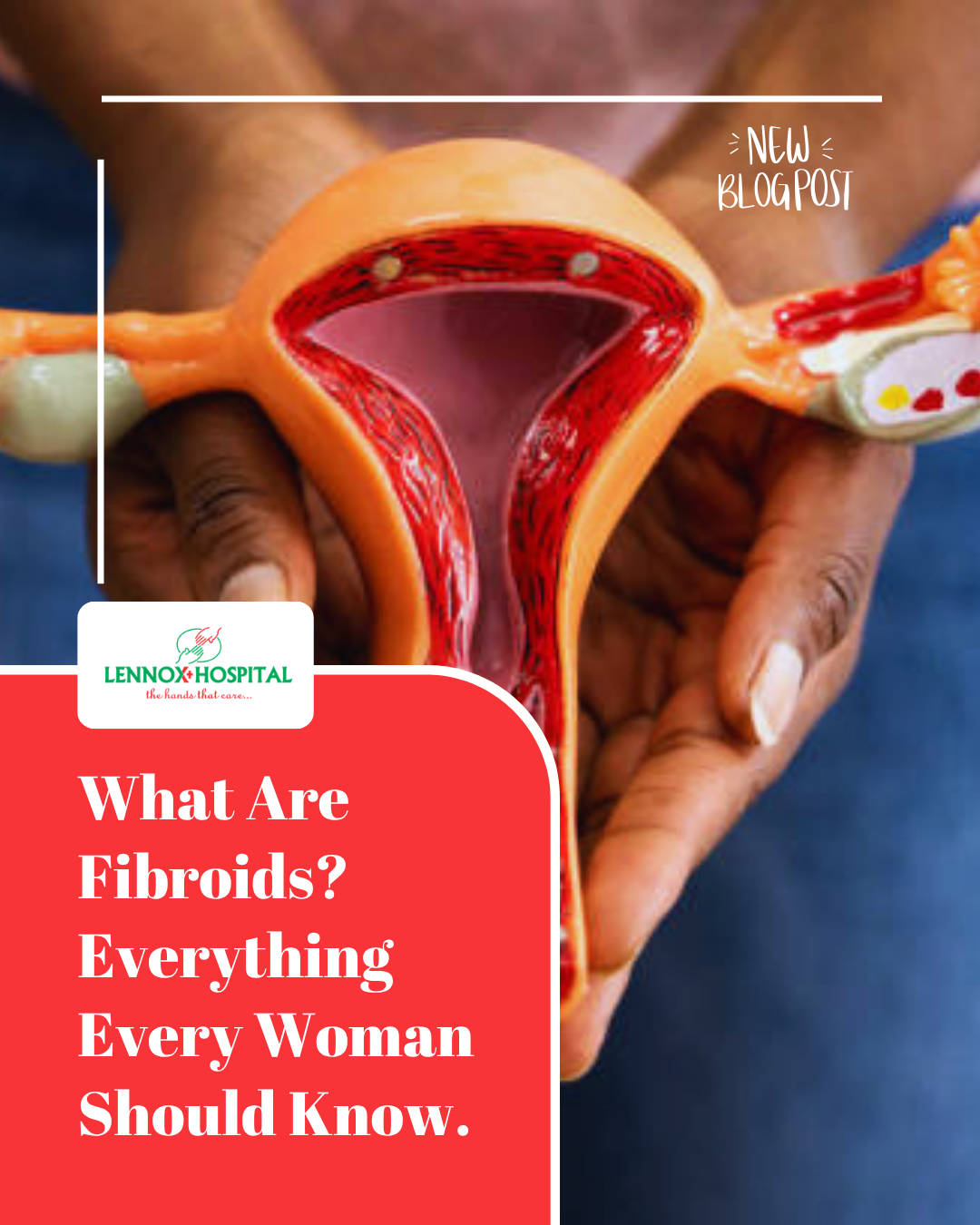
What Are Fibroids? Everything Every Woman Should Know
Fibroids are one of the most common health conditions affecting women of reproductive age. Yet, many women have fibroids without realizing it, while others experience symptoms that significantly affect their daily lives. Understanding what fibroids are, their symptoms, and the available treatment options can help you make informed decisions about your health.
What Are Fibroids?
Fibroids, also known as uterine fibroids or leiomyomas, are non-cancerous growths that develop in or around the uterus (womb). They are made up of muscle and fibrous tissue and can vary greatly in size. Some are as small as a seed, while others can grow large enough to enlarge the uterus.
The good news is that fibroids are not cancer, and in the vast majority of cases, they do not become cancerous.
Who Is at Risk?
Although any woman of reproductive age can develop fibroids, certain factors may increase the risk, including:
- Being between the ages of 30 and 50
- Having a family history of fibroids
- Starting menstruation at an early age
- Being overweight or obese
- Hormonal factors, particularly estrogen and progesterone
Fibroids are also more common among women of African descent.
Common Symptoms of Fibroids
Not every woman with fibroids experiences symptoms. However, when symptoms do occur, they may include:
- Heavy or prolonged menstrual bleeding
- Painful menstrual cramps
- Pelvic pain or pressure
- Frequent urination
- Constipation
- Lower back pain
- Pain during sexual intercourse
- Difficulty getting pregnant or repeated miscarriages in some cases
The severity of symptoms often depends on the size, number, and location of the fibroids.
Can Fibroids Affect Fertility?
Many women with fibroids go on to have healthy pregnancies. However, certain fibroids—especially those that grow inside the uterine cavity, can make it more difficult to conceive or carry a pregnancy to term. If you are trying to become pregnant and have been diagnosed with fibroids, it is important to discuss your options with a healthcare provider.
How Are Fibroids Diagnosed?
Your doctor may suspect fibroids based on your symptoms and a pelvic examination. To confirm the diagnosis, one or more of the following tests may be recommended:
- Pelvic ultrasound
- MRI scan (in selected cases)
- Hysteroscopy
- Blood tests to check for anaemia caused by heavy bleeding
Treatment Options
Treatment depends on several factors, including your age, symptoms, the size and location of the fibroids, and whether you plan to have children in the future.
Your doctor may recommend:
- Regular monitoring if the fibroids are small and not causing symptoms
- Medications to help manage heavy bleeding or pain
- Minimally invasive procedures
- Surgical removal of the fibroids (myomectomy)
- Removal of the uterus (hysterectomy) in selected cases when appropriate
Your healthcare provider will help determine the treatment option that best suits your individual needs.
Can Fibroids Be Prevented?
There is no guaranteed way to prevent fibroids. However, maintaining a healthy lifestyle through regular exercise, a balanced diet, and routine medical check-ups may help support your overall reproductive health and allow early detection of any concerns.
When Should You See a Doctor?
You should seek medical attention if you experience:
- Very heavy menstrual bleeding
- Severe pelvic pain
- Menstrual periods lasting longer than usual
- Difficulty getting pregnant
- Persistent pressure or swelling in the lower abdomen
- Symptoms of anaemia such as fatigue, dizziness, or shortness of breath
Early diagnosis can help prevent complications and improve your quality of life.
Final Thoughts
Fibroids are common, treatable, and usually non-cancerous. While some women may never notice they have them, others may experience symptoms that affect their health, fertility, and daily activities. The key is not to ignore persistent symptoms. If you suspect you may have fibroids, consult a qualified healthcare provider for proper evaluation and personalized treatment.
Remember, early diagnosis and appropriate care can make a significant difference in your health and well-being.
